
IHHT applications with OXYTERRA RS
IHHT (intermittent hypoxic–hyperoxic training) involves alternating breathing intervals with reduced and increased oxygen content. OXYTERRA RS delivers a gas mixture through a mask while monitoring oxygen saturation and pulse. The session takes place at rest, without physical exercise.
The method complements programmes for recovery, endurance support and adaptation to exertion. Practical objectives and effects for each area are outlined below.

IHHT for endurance
When everyday walking or climbing stairs quickly causes fatigue, exercise tolerance becomes a priority. IHHT complements comprehensive programmes for patients with reduced endurance. Clinical studies have reported improvements in physical performance and cardiorespiratory fitness.
OXYTERRA RS allows this training to take place at rest: the practitioner selects the parameters and monitors the patient’s response. Progress is assessed through functional tests and the patient’s reported wellbeing.
- for patients with reduced endurance
- breathing training at rest
- individually selected parameters
- oxygen saturation and pulse monitoring
- assessment of changes in exercise tolerance
Improved exercise tolerance therefore has practical value: it becomes easier to walk, climb stairs and carry out everyday activities.
Returning to everyday activity
After illness, even a normal walk can require more effort. IHHT complements rehabilitation with breathing training at rest, including at stages when intensive exercise remains difficult.
A published post-COVID rehabilitation programme using OXYTERRA assessed exercise tolerance and six-minute walking distance as part of comprehensive recovery.
- For patients with reduced endurance following illness.
- Session parameters are selected to suit the patient’s condition and stage of recovery.
- Progress is monitored through walking, fatigue and exercise tolerance.
OXYTERRA in post-COVID rehabilitation
The practical outcomes of the programme described were improved exercise tolerance and increased walking distance. In recovery, this means greater scope for movement and a gradual return to everyday activities.


IHHT for maintaining fitness
Maintaining endurance and staying active are practical goals of healthy ageing programmes. IHHT with OXYTERRA RS adds controlled breathing training to a programme for maintaining functional fitness.
The session takes place at rest and requires no exercise. IHHT is combined with physical activity and recovery. The practitioner selects the parameters and assesses progress through reported wellbeing and functional tests.
- support for healthy ageing programmes
- sessions in a relaxed, comfortable position
- combined with physical activity
- an individual course tailored to the client's goals
- monitoring wellbeing and functional fitness
Improved endurance matters beyond the treatment room: it offers greater scope for walking, everyday tasks and active leisure. This is the practical value of IHHT in programmes for maintaining functional fitness.
IHHT and performance recovery
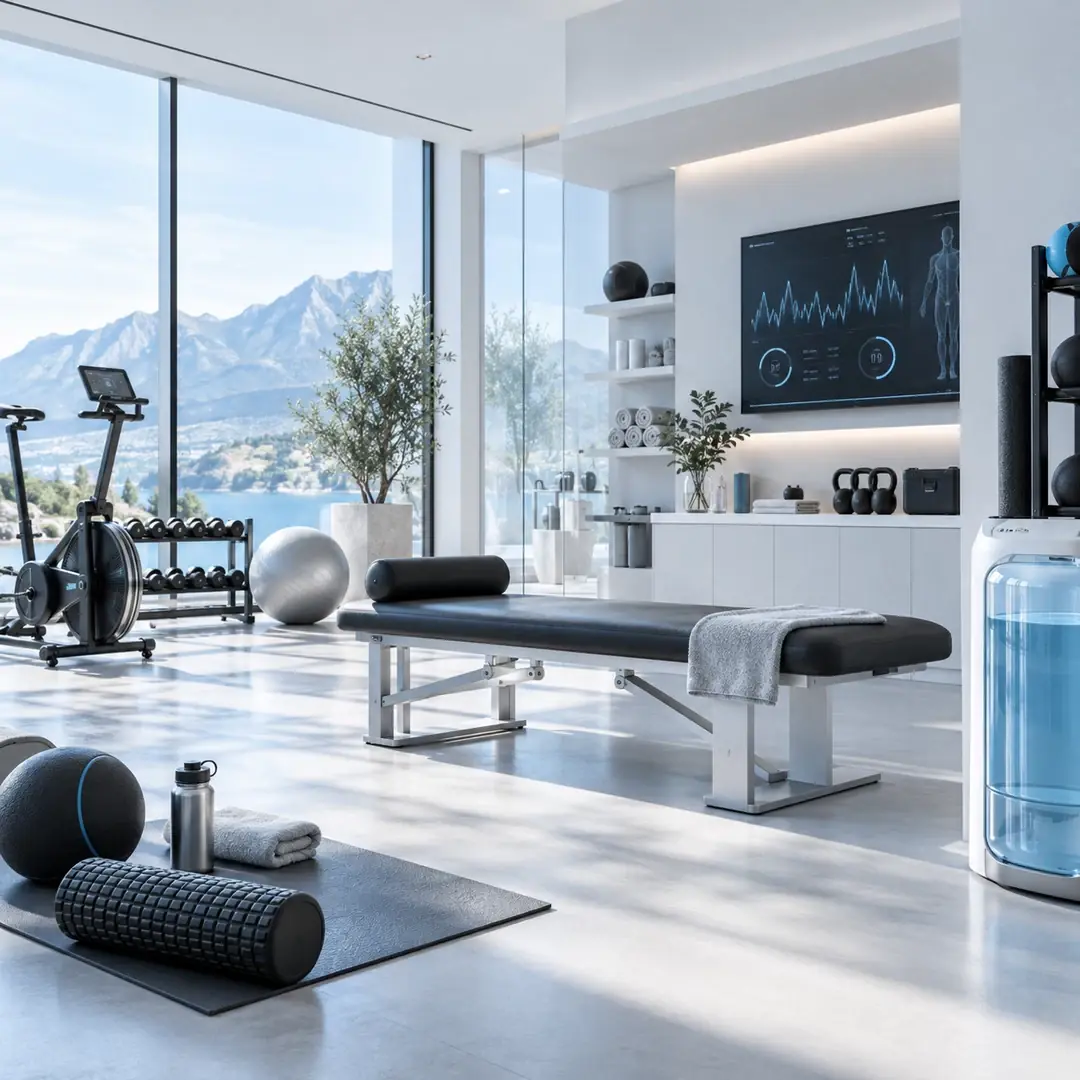
With accumulated fatigue and overtraining, it is important to restore reduced performance without increasing training volume. IHHT sessions take place at rest and add no muscular exertion.
IHHT with OXYTERRA RS allows breathing training to be included in the recovery period, with individual settings and monitoring of the athlete’s response. Researchers have, for example, combined IHHT with reduced-intensity training.
- Complementing recovery programmes for overtraining.
- Combined with reduced-intensity physical training.
- Assessing progress through exercise tests and fatigue.
This combination improved physical performance in the programmes studied. The practical result was recovery of reduced performance levels, rather than an increase in training load.
Supporting skin microcirculation
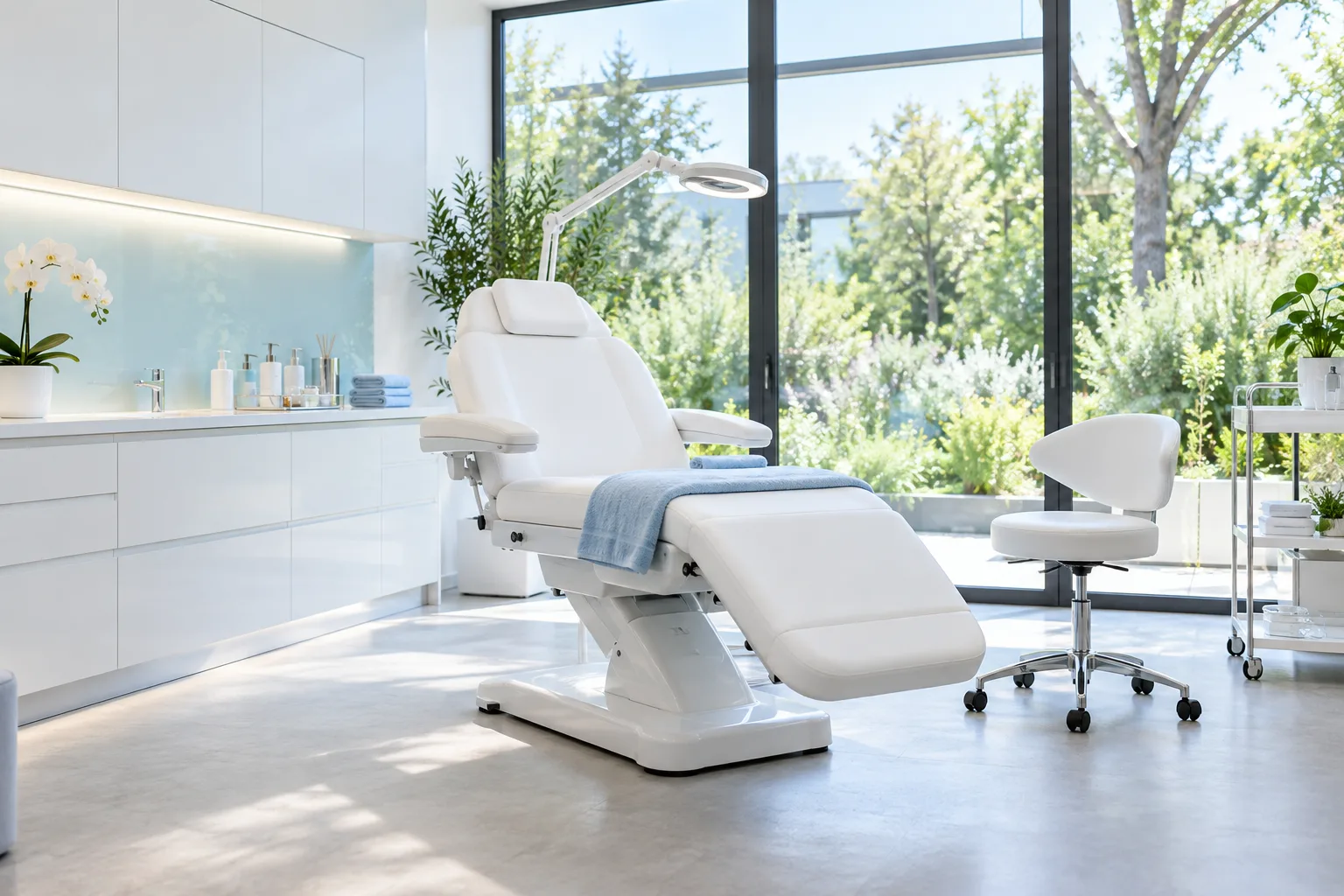
IHHT complements aesthetic care programmes by engaging systemic adaptive processes. One area studied is microcirculation in the skin of the face and neck.
Researchers assessed changes in skin microcirculation after a course using OxyTerra. OXYTERRA RS allows IHHT sessions to take place at rest and be combined with procedures selected by the practitioner.
- Complementing comprehensive aesthetic programmes.
- A non-invasive approach without physical exercise.
- Assessing changes in microcirculation using instrumental methods.
IHHT and skin microcirculation · Original publication
The study reported positive changes in microcirculation in the skin of the face and neck. This effect underpins practical interest in IHHT as a complement to comprehensive care.
What happens during an IHHT session
1. Selecting parameters. The practitioner assesses the user’s condition, course objectives and contraindications, then selects the mode and session duration.
2. Breathing through a mask. You sit comfortably in a chair. The device alternates hypoxic and hyperoxic intervals; no exercise is required.
3. Monitoring the response. Oxygen saturation and pulse are tracked during the session. The practitioner monitors how well the procedure is tolerated.
4. Assessing progress. Throughout the course, the practitioner compares reported wellbeing, tolerance of everyday exertion and results of functional tests selected to suit the programme’s objectives.
Plan your service
Tell us about your clinic, rehabilitation centre, sports centre or wellness centre. We will discuss programme objectives, OXYTERRA RS capabilities, practitioner training and supply terms.